Understanding Metal Roof Installation
Metal roofs have gained significant popularity over the years due to their durability, sustainability, and aesthetic appeal. Understanding Metal Roof Installation is crucial for homeowners looking to protect their investments while enhancing their property's value. This comprehensive guide will explore the various aspects of metal roof installation, from material selection to safety measures, ensuring you have the necessary knowledge for a successful project.
What is Metal Roof Installation?
Metal roof installation involves the process of applying metal sheets or panels to the roof structure of a building. This technique can be used for both residential and commercial properties and is known for its longevity and resistance to harsh weather conditions. Unlike traditional roofing materials, metal roofs can reflect heat, making them energy efficient and a popular choice in varying climates.
Benefits of Choosing Metal Roofs
Homeowners often choose metal roofs for several reasons, including:
- Durability: Metal roofs can last 40-70 years, far outlasting asphalt shingles, which have a lifespan of about 20-30 years.
- Energy Efficiency: The reflective properties of metal roofs can lower energy costs by keeping homes cooler.
- Minimal Maintenance: Metal roofs require less upkeep compared to traditional roofing options, reducing long-term costs.
- Environmental Impact: Many metal roofing materials are made from recycled content and are recyclable at the end of their life.
Common Materials Used in Metal Roofing
There are various materials used in metal roofing, each offering unique benefits. The most common include:
- Steel: Often treated with a zinc coating (galvanized) or a polymer coating (galvalume) for corrosion resistance.
- Aluminum: Lightweight and corrosion-resistant, making it ideal for coastal applications.
- Copper: Offers an elegant look and is highly durable, often used in high-end applications.
- Zinc: Similar to copper but with a different aesthetic, it develops a protective patina over time.
Preparation for Metal Roof Installation
Assessing Your Home’s Structure
Before you begin the installation process, it’s vital to assess your home's structure. Ensure that your roof can support the weight of metal panels and that it’s free from any significant damage. Consulting with a structural engineer might be necessary if your home has existing issues.
Weather Considerations Before Installation
Weather plays a crucial role in the installation of metal roofs. Avoid installing during extreme temperatures or inclement weather, as these conditions can affect materials and the safety of workers. The best time for installation is during mild seasons that allow for proper application techniques.
Gathering Necessary Tools and Materials
To ensure a smooth installation process, gather the following tools and materials:
- Metal panels
- Underlayment
- Flashing
- Screws and fasteners
- Drill
- Measuring tape
- Safety gear (gloves, goggles, harnesses)
Step-by-Step Guide to Metal Roof Installation
Initial Setup and Safety Measures
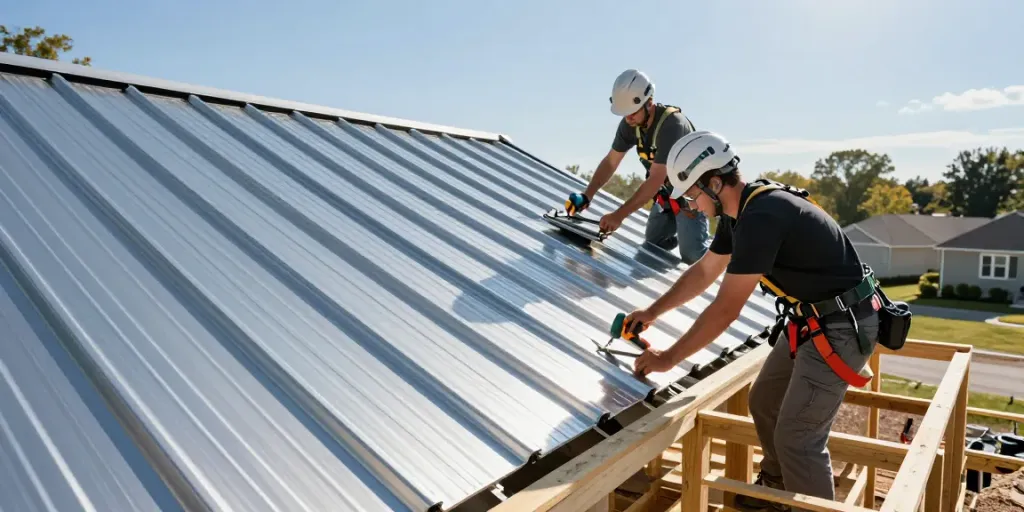
Begin by establishing a safe working environment. Use proper safety equipment and ensure that all tools are in working order. Set up scaffolding if necessary, and consider hiring professionals if the roof is steep or high.
Installing Underlayment and Flashing
Start by installing underlayment, which serves as a barrier against moisture and adds an extra layer of insulation. Follow this by applying flashing around vents and seams to prevent water intrusion. Secure everything properly according to the manufacturer's instructions.
Securing the Metal Panels
Once the underlayment and flashing are in place, it's time to install the metal panels. Begin at the eaves and work your way up, overlapping each row to ensure water runoff. Secure the panels with the recommended screws, being careful not to overdrive them, which can lead to leaks.
Common Challenges During Installation
Misalignment and Its Consequences
Misalignment of metal panels can cause significant issues, including water leaks and a less aesthetically pleasing finish. Take your time during the installation phase to ensure that each panel is correctly aligned before securing them.
Addressing Weather-Related Obstacles
Weather changes can disrupt the installation process. If rain or snow is forecasted, postpone your work to prevent hazards and avoid material damage. Always have a contingency plan in place for unexpected weather conditions.
Dealing with Inexperienced Help
If you're working with helpers, ensure they have the necessary skills and training. Inexperienced workers can lead to mistakes that might compromise the integrity of the roof. Consider involving a professional installer if there’s significant uncertainty about the processes involved.
Future Trends in Metal Roofing
Innovations in Metal Roof Materials
The metal roofing industry continues to innovate, with new materials designed to enhance performance and aesthetics. Options like solar-integrated panels seek to combine energy generation with roofing functions, offering tremendous potential for sustainable living.
Impact of Sustainability on Roofing Choices
As sustainability becomes a core concern for homeowners, the preference for environmentally friendly materials is likely to rise. Metal roofing, with its recyclability and efficiency, aligns well with these values and will continue to gain traction.
Predictions for the Roofing Industry in 2026
By 2026, we can expect further advancements in metal roofing technologies. Innovations may include improved coatings for greater durability, enhanced thermal performance, and even advances in installation techniques that can reduce labor time and costs.
How much does it cost to install a new metal roof?
The cost of installing a new metal roof varies based on materials, labor, and roof complexity. On average, homeowners can expect to spend between $5,000 to $15,000, with premium materials or complex roofs costing significantly more. It's advisable to obtain multiple quotes and assess the one that offers the best value.
What is the biggest problem with metal roofs?
One of the most common concerns with metal roofs is noise during rain or hail. However, this can be mitigated through proper insulation and underlayment. Additionally, metal roofs can be prone to expansion and contraction, which requires careful installation to avoid issues.
Is it hard to install a metal roof yourself?
While it’s possible for handy homeowners to install metal roofs themselves, it requires significant knowledge of roofing techniques and safety practices. If unsure, hiring a professional is recommended to ensure quality work and avoid costly mistakes.
Do you need to put anything under a metal roof?
Yes, installing an underlayment is essential for moisture protection and improving energy efficiency. It acts as a barrier against leaks and enhances the longevity of the metal panels.
What are the best practices for maintaining a metal roof?
To maintain your metal roof, it’s important to regularly inspect for debris, check sealants and fasteners, and clean gutters. Additionally, conducting periodic inspections every few years can help prevent issues before they develop into significant problems.