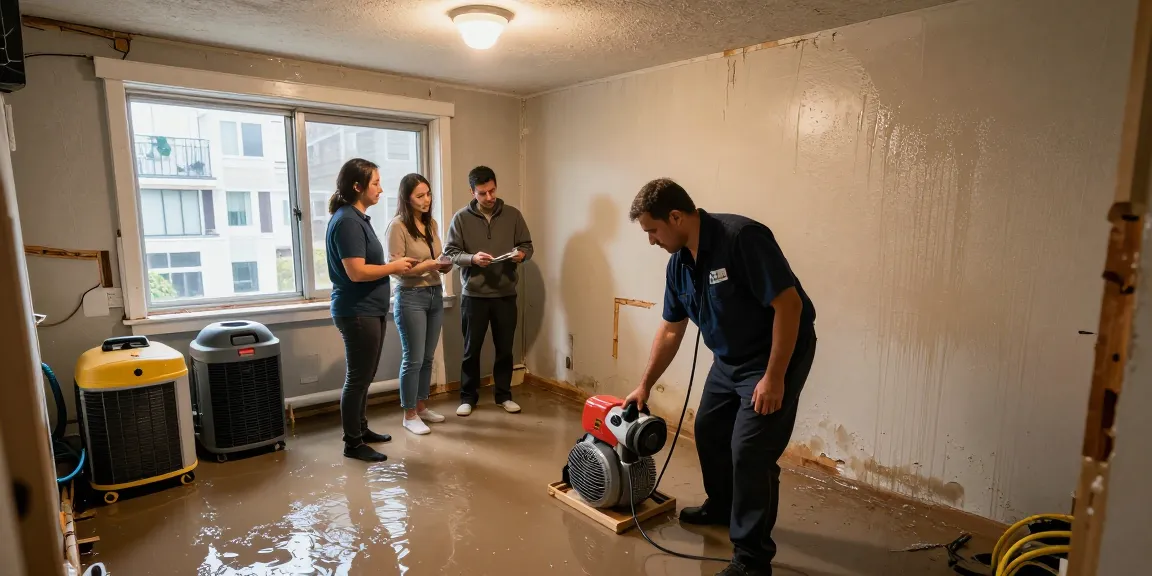
Understanding Water Damage Restoration in West Vancouver
Water damage can strike unexpectedly, wreaking havoc on your home or business. In West Vancouver, where heavy rainfall and coastal humidity create a unique risk environment, understanding the process of water damage restoration is crucial for homeowners. The urgency of responding to water damage cannot be overstated, as delays can lead to severe structural issues and mold growth. When exploring options, Water Damage Restoration West Vancouver can provide comprehensive insights into effective solutions and services available in the area.
What is Water Damage Restoration?
Water damage restoration is a comprehensive process designed to restore a property back to its pre-damage condition following the adverse effects of water intrusion. This can involve various steps including water extraction, drying, dehumidifying, cleaning, and repairing damaged structures and contents. The restoration process not only addresses the visible impact of water damage but also ensures that hidden moisture is eliminated, preventing future complications such as mold growth.
Importance of Prompt Response
Time is of the essence when dealing with water damage. Every moment that passes increases the risk of secondary damages such as mold formation and structural weakness. For instance, mold can begin to develop within 24-48 hours if moisture is allowed to linger. Therefore, it is crucial to engage a water damage restoration service immediately after detecting water issues in your home or business.
Common Types of Water Damage in Homes
- Flooding: Often caused by severe weather conditions, floods can lead to significant water intrusion.
- Pipe Breaks: Aging and corroded pipes may burst, releasing large amounts of water into homes.
- Appliance Leaks: Common household appliances like washing machines and dishwashers can leak, causing localized damage.
- Sewage Backups: Contaminated water from sewage backups poses health risks and requires professional remediation.
Identifying Causes and Early Signs of Water Damage
Common Causes of Water Damage in West Vancouver
Understanding the causes of water damage can help homeowners take preventive measures. In West Vancouver, common causes include:
- Heavy Rainfall: The region’s frequent rain can overwhelm drainage systems, leading to flooding.
- Old Plumbing: Deteriorating pipes can lead to leaks or bursts.
- Improper Waterproofing: Buildings that lack adequate waterproofing measures are susceptible to water intrusion.
- Foundation Issues: Structural problems can allow groundwater to seep in, especially during heavy rains.
Early Warning Signs Homeowners Should Recognize
Awareness of the early signs of water damage can help homeowners act quickly to mitigate further issues. Key indicators include:
- Discolored walls or ceilings
- Pooling water in basements or near walls
- Unpleasant odors, which may indicate mold growth
- Peeling paint or wallpaper
Seasonal Vulnerabilities and Weather Impact
Vancouver’s climate presents unique challenges. Winters can bring heavy snowfall, which melts in spring, resulting in increased water flow. Similarly, summer storms can catch property owners off guard, leading to water damage if proper precautions aren’t taken.
Choosing the Right Water Damage Restoration Services
Benefits of Hiring IICRC-Certified Technicians
Hiring certified professionals ensures your property is in capable hands. The Institute of Inspection, Cleaning, and Restoration Certification (IICRC) sets the standard for the restoration industry, including protocols for cleaning and restoration. Certified technicians are trained in the latest techniques and equipped with tools to effectively mitigate water damage.
What to Look for in a Restoration Company
When selecting a water damage restoration company, consider the following criteria:
- Experience: Look for companies with a proven track record in handling water damage cases.
- Certification: Ensure the company has IICRC certification to guarantee quality service.
- 24/7 Availability: Water damage requires prompt attention, so choose a company that offers round-the-clock service.
- Insurance Assistance: Select a company that can help you navigate insurance claims to ease the burden during a stressful time.
Comparative Analysis of Local Providers
It’s beneficial to compare local providers based on the factors mentioned above. Research online reviews and customer testimonials to gauge the reliability and effectiveness of different companies in West Vancouver.
The Water Damage Restoration Process Step-by-Step
Initial Assessment and Water Extraction
The restoration process begins with a thorough assessment of the water damage. Technicians will identify the source of water intrusion, assess the extent of the damage, and develop a tailored restoration plan. The first crucial step is water extraction, where experts use advanced equipment to remove standing water swiftly.
Drying and Dehumidification Techniques
After extracting the water, the next phase involves drying the affected areas. This may include the deployment of industrial-grade dehumidifiers and air movers. Maintaining proper humidity levels is essential to prevent mold growth and ensure effective drying.
Repair and Restoration of Damaged Areas
Once the areas are dried, cleaning and sanitizing will follow. Repairing damaged structures and contents is the final step in returning the property to its original state. This may involve the replacement of drywall, insulation, or flooring that cannot be salvaged.
Frequently Asked Questions About Water Damage Restoration
How to Prepare for a Water Damage Incident?
Preparation can significantly reduce risks. Homeowners can take proactive measures such as regular maintenance checks on plumbing systems, ensuring gutters and drains are clear, and considering waterproofing solutions for basements and crawlspaces.
Can Contaminated Water be Safely Restored?
Contaminated water, such as that from sewage backups, poses serious health risks. It requires specialized cleaning and disinfection processes to ensure safety. It’s best to leave this type of cleanup to professionals trained in biohazard management.
What Role Does Insurance Play in Water Damage Claims?
Insurance coverage for water damage varies by policy. Many homeowners’ insurance policies cover damage from sudden and accidental water incidents, but may exclude certain types of flooding. It’s essential to understand your coverage and work with your restoration provider to appropriately document the damages for your insurer.
How to Prevent Future Water Damage?
To mitigate risks of future water damage, homeowners should:
- Schedule regular plumbing inspections
- Install sump pumps in basements
- Ensure proper drainage around the property
- Keep gutters clean to prevent overflow
When Should You Call a Professional for Help?
It’s advisable to contact a restoration professional as soon as you notice signs of water damage or if you know of a leak or flood. Quick response is crucial to minimize damage and restore your property efficiently.